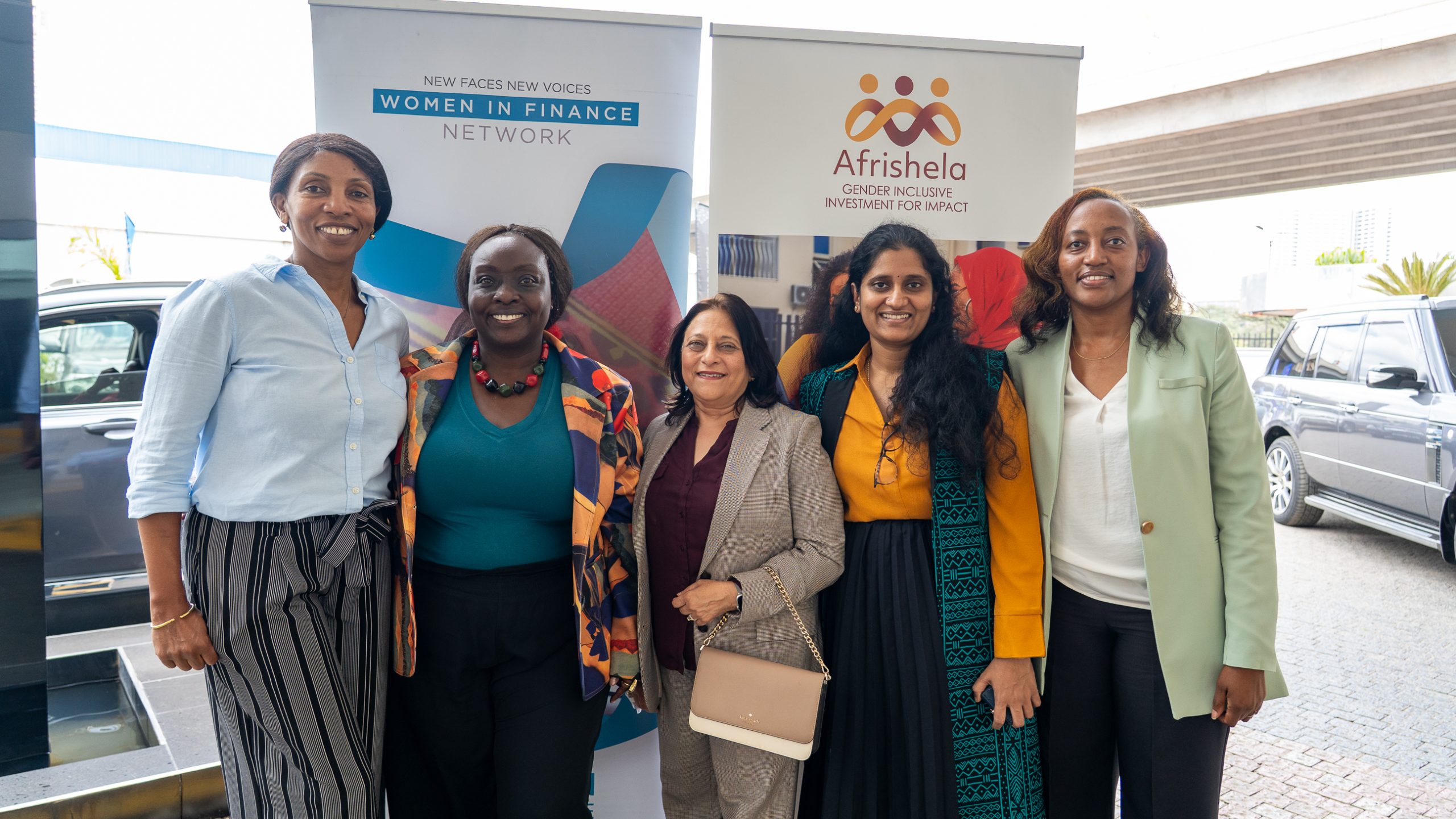
By Andia Chakava, Managing Partner, Afrishela
Reading Time: 3 minutes, 52 seconds
For years, the conversation around Africa’s small business financing gap has focused on supply: more capital, more funds, more facilities. What that conversation has missed is a harder, more uncomfortable question – whether the tools the market uses to decide who is fundable are fit for purpose.
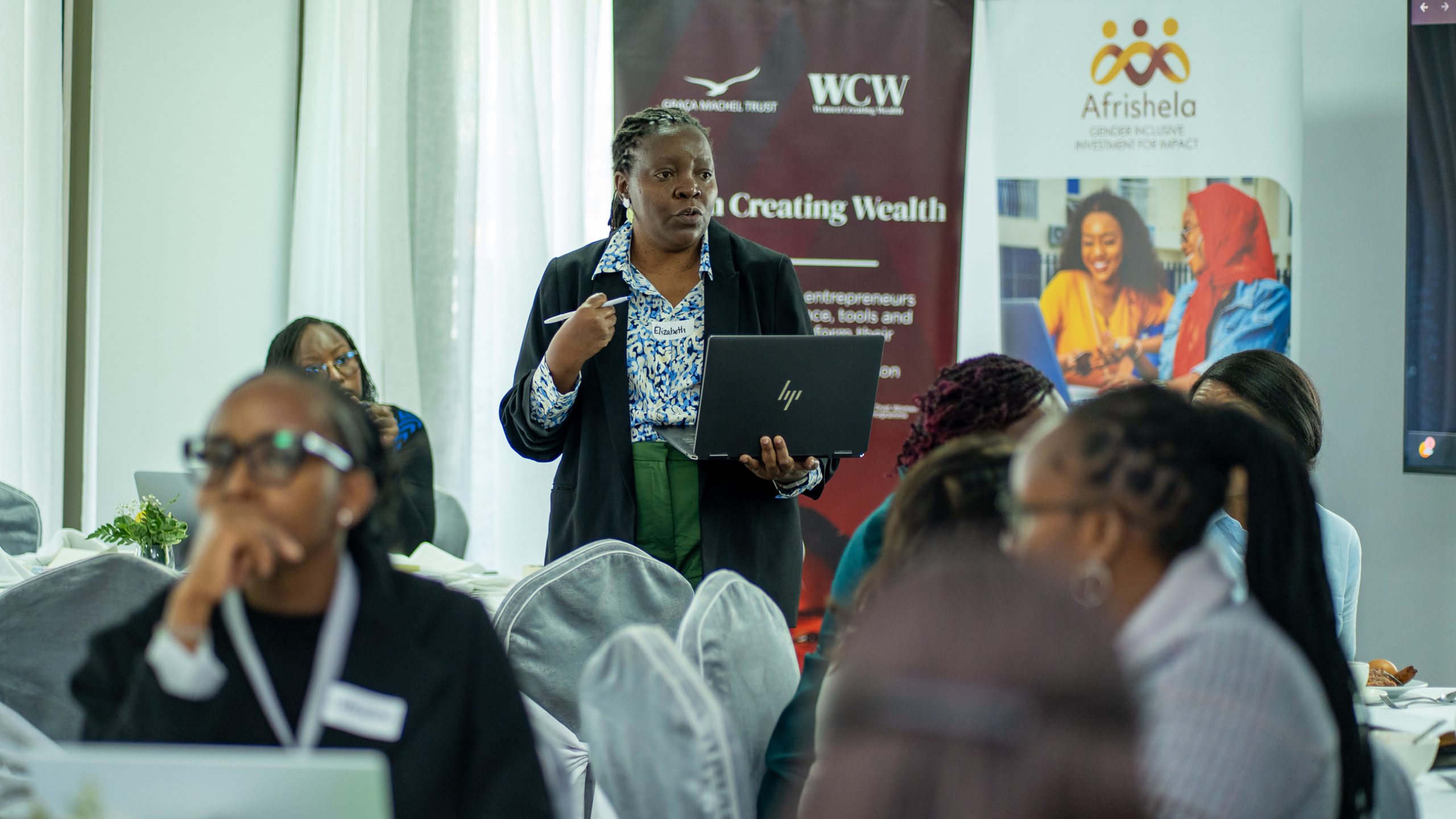
At Afrishela, we built our answer to that question several years ago, and we have used it ever since. It began in 2023, when insights from entrepreneurs in the Graça Machel Trust’s Women Creating Wealth programme, combined with perspectives from capital providers, pointed to the same conclusion from two different directions. The traditional 5Cs model of credit assessment – capital, capacity, character, collateral, conditions – was systemically screening out viable, high-potential businesses simply because they were early-stage, or women- or youth-led, or operating in sectors that do not generate the predictable, regular cash flows conventional underwriting expects.
Our answer was not to ask the financial services sector to lower its standards. It was to build a more comprehensive one. Our proprietary approach to alternative credit assessment widens what counts as evidence of a business’s ability to repay. The cash-flow patterns and customer relationships alongside financial statements; character, resilience and demonstrated founder commitment alongside collateral; sector and operating context alongside conventional ratios do that. We have used this approach within our own investment process for two years, deploying capital to women- and youth-led early-growth-stage enterprises that a conventional screen would have missed. This is proof, in practice, that a more complete reading of risk does not require us to set aside credit discipline.
On 30 July 2026, we convened entrepreneurs, bank representatives, coaches and policy specialists in Nairobi to pressure-test the approach against real funding experiences. What came back confirmed the thesis and sharpened it.
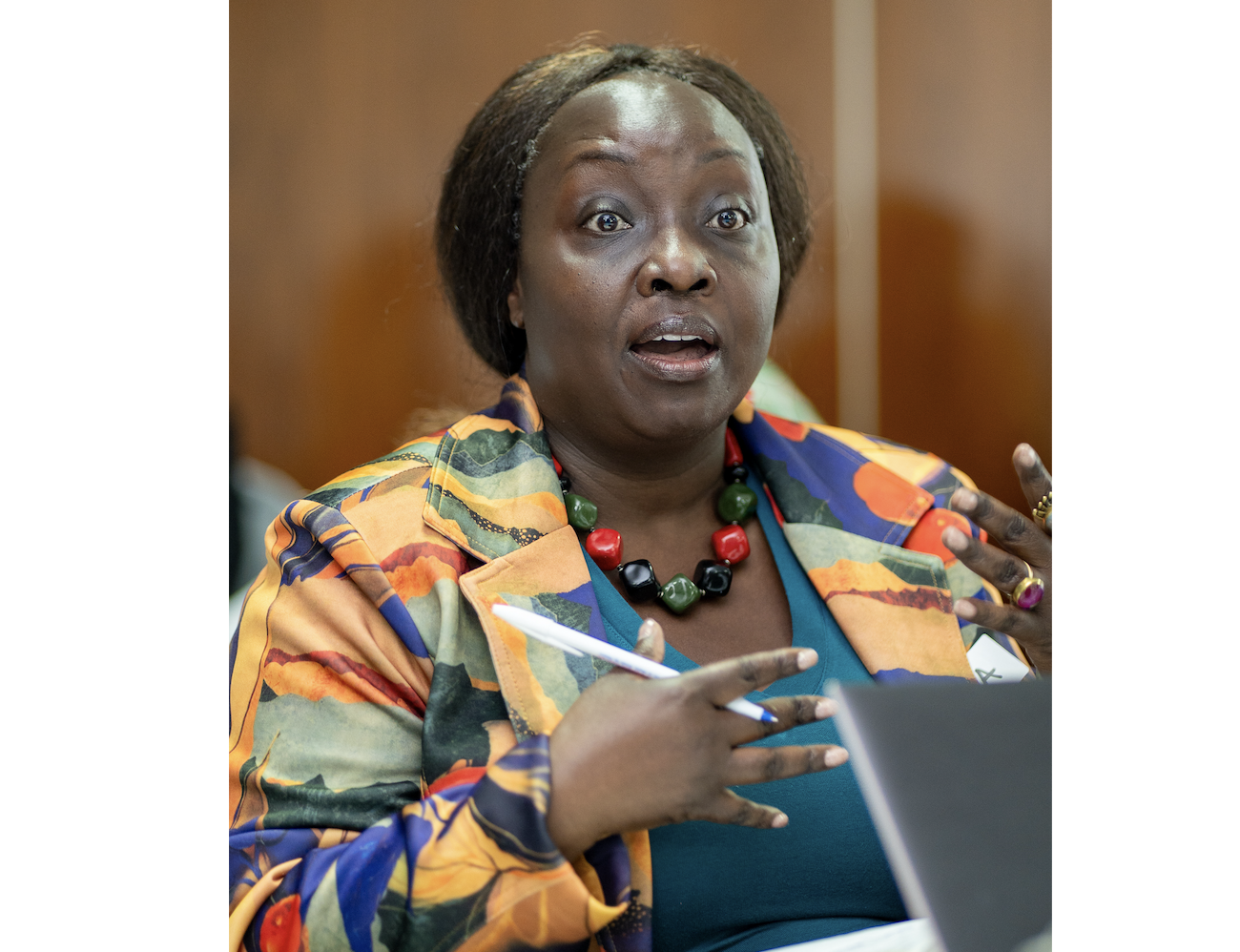
Afrishela is providing evidence to the traditional banking sector on how to engage and uplift the missing middle or early growth stage enterprises. – Andia Chakava, Managing Partner, Afrishela
What makes the approach different is not that we abandoned due diligence. Standard investment due diligence still runs – company, business model, market, financials, risk, impact, gender, shareholding, past investments and proposed structure. What changed is the second layer: a set of proxies designed for women entrepreneurs and missing-middle SGBs who fail a collateral-and-history screen even when the underlying business can repay.
Those proxies are specific. Grant history stands in where a formal credit file is thin. Cash-flow sufficiency is read in place of title-deed collateral. Graduation from a business-development programme, and continued engagement with it, is treated as a signal that conventional underwriting usually reserves for formal education. Leadership roles, community standing and awards substitute for a long management track record. A corporate career counts as entrepreneurial experience, not something discounted because a founder has not “always been in business.” An entrepreneur’s own capital infusion is read as skin in the game. Capital itself is structured as milestone-based disbursement and revenue-based finance, so the instrument – not only the score – de-risks the position. And gaps found during diligence are not automatic declines: they become the brief for post-investment technical assistance.
The point is not charity. It is evidence. The entrepreneurs in the room were direct about what conventional assessment misses. Ritu Bhal of Track Right described a familiar bind:
Start-ups often have to extend credit to clients while being denied credit themselves by financiers. This makes effective management of cash flow and receivables critical to sustaining operations. –Ritu BAhal, Track Right
That is a business demonstrating exactly the kind of financial discipline lenders should want to see – and conventional collateral-first underwriting has no mechanism for reading it. Track Right is part of our investment portfolio: an impact-linked facility into a women-led logistics platform, underwritten on cash flow and climate-relevant operations rather than on title-deed ownership. – Aarthi Ramasubramanian, Investment Consultant, Afrishela
We think this matters to every funder in this market, not only to us. The African Development Bank’s AFAWA facility exists precisely to unlock capital for women entrepreneurs. Juliet Kimotho, the Graça Machel Trust’s Advocacy Manager, noted that “while initiatives like AFAWA exist, the information is not being proactively shared across the financial sector.” Capital designed to reach the missing middle is only as good as the assessment tools funders use to find it and price it fairly. Andia’s challenge to banks with access to AFAWA financing was direct: “support has to show up in pricing and eligibility terms, not only in headline commitments.”
None of this is a call to abandon rigour. It is a call to redirect it. Our approach is built around the same discipline banks already apply – evidence, documentation, verification – pointed at a wider and more accurate set of indicators. We are sharing it with the Kenya Bankers Association so its members can test it against their own books: to design new lending products around it, to refine existing risk models with it, or simply to benchmark current practice against it.
The missing middle is not missing because it doesn’t exist. It is missing because too few of us have built the tools to see it clearly. We built ours. We would like more funders to build theirs – or to start with ours as a foundation. – Andia Chakava, Managing Partner, Afrishela