
When H.E. Mrs Graça Machel took her seat for the fireside conversation that closed the Afrishela Blended Finance Breakfast, the first question put to her by Frank Aswani, CEO of the Africa Venture Philanthropy Association, was about retreat – the donor closures, the broader pull-back of Western development finance from the continent. Her answer reframed the premise entirely.
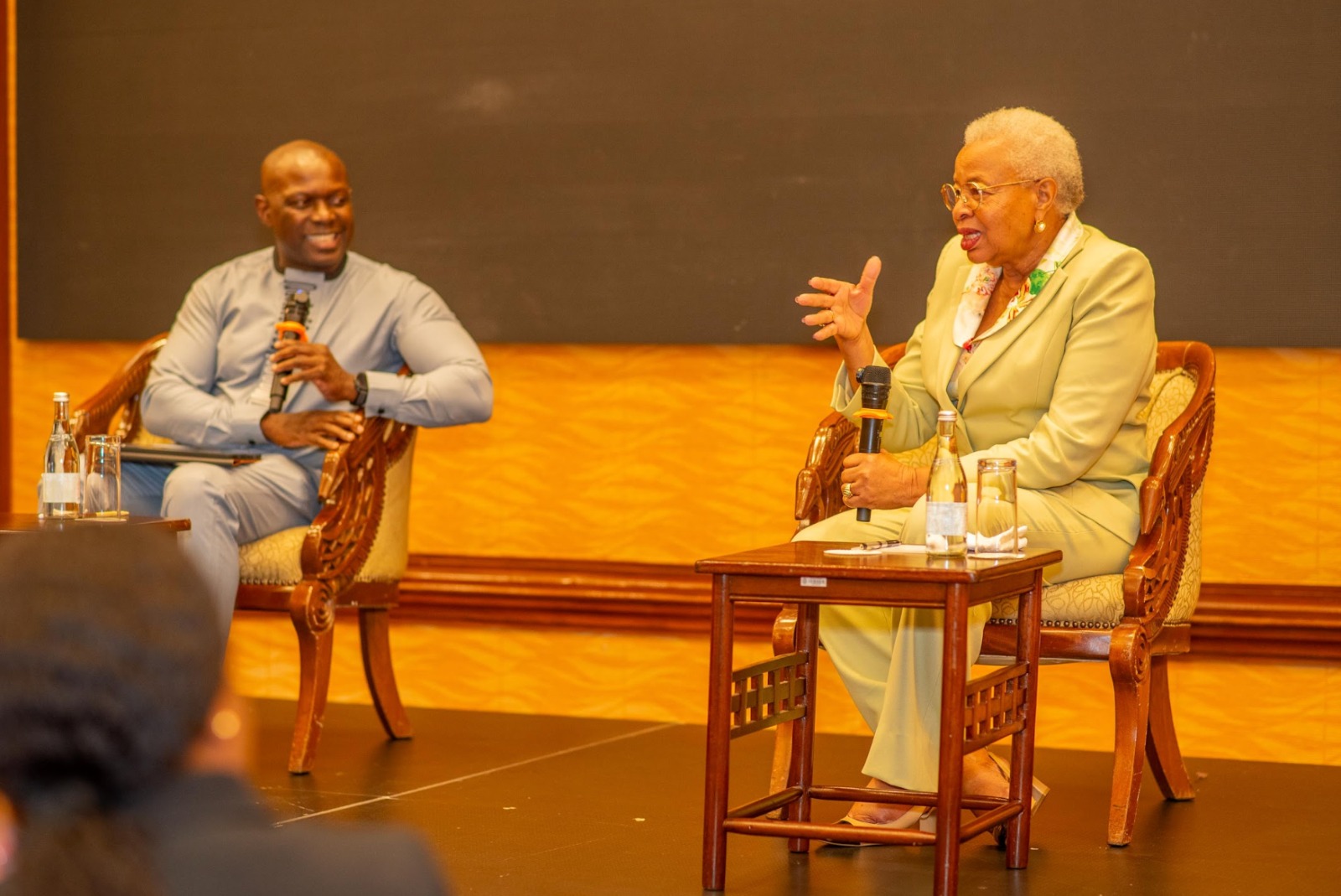
H.E. Mrs Graça Machel in conversation with Frank Aswani, Chief Executive Officer of the Africa Venture Philanthropy Alliance, reflecting on donor withdrawal, African ownership and the need to build stronger capital systems on the continent.
It is not a crisis, she suggested. It is a clarifying event. For too long, Africa has behaved as though its own plans should be designed elsewhere – an absurdity that becomes visible the moment it is imagined in reverse: would African institutions be invited to help draft a Western nation’s national five-year plan? The shock of donor withdrawal, uncomfortable as it is, forces a continent to take responsibility for what was always its own: the health, the education, the enterprise infrastructure that a departing donor era had made it too easy to outsource.
Then she turned the question back on the room itself.
You just said there is enough capital. You also recognise the potential. So why and where, is the gap?
H.E. Mrs Graça Machel, in the room
It was a question the rest of the fireside spent unpacking. Mrs Machel’s answer moved through two images. The first was her own hand – five fingers, unequal in strength and individually limited, made useful only by being joined. The second was a web: threads that carry almost no weight alone, but together hold far more than the sum of their parts. Her argument was that collaboration, the word so often used at gatherings like this one, has run its course. What the continent needs now is something more durable – an intrinsic system, in which the strength of each institution is structurally available to the others, rather than a chain of bilateral agreements that depends on the goodwill of each link.
She was equally direct about where that system must lead. Her public life, she reminded the room, has been spent campaigning for women’s representation – in parliaments, on the bench, in governorships and ministries. None of those gains came naturally; each was fought for. But political voice without economic power is limited. A woman can shape policy and law and still find herself outside the room where capital is allocated. This, she said, is the mandate behind the Graça Machel Trust and its gender and impact finance vehicle, Afrishela: to move women’s economic rights to the centre of the conversation – not as a group requiring assistance, but as drivers of capital, owners of enterprise and builders of institutions in their own right.
Her closing preoccupation was not with the women in the room fighting that fight now, but with the generation that will not have to.
We are not just fighting for women to succeed in business. We are building a continuum of capital that can meet their needs during different growth stages..
H.E. Mrs Graça Machel
She left the room with a closing line rooted in a familiar philosophy, and a warning tucked inside it. Ubuntu – I am because you are, and you are because I am – is not a sentiment for a plaque, but a description of the interdependence a genuine capital system requires. If the room reconvenes in six months and can report only that it worked harder at collaboration, she cautioned, it will have failed. The next gathering must convene a system, not intentions.
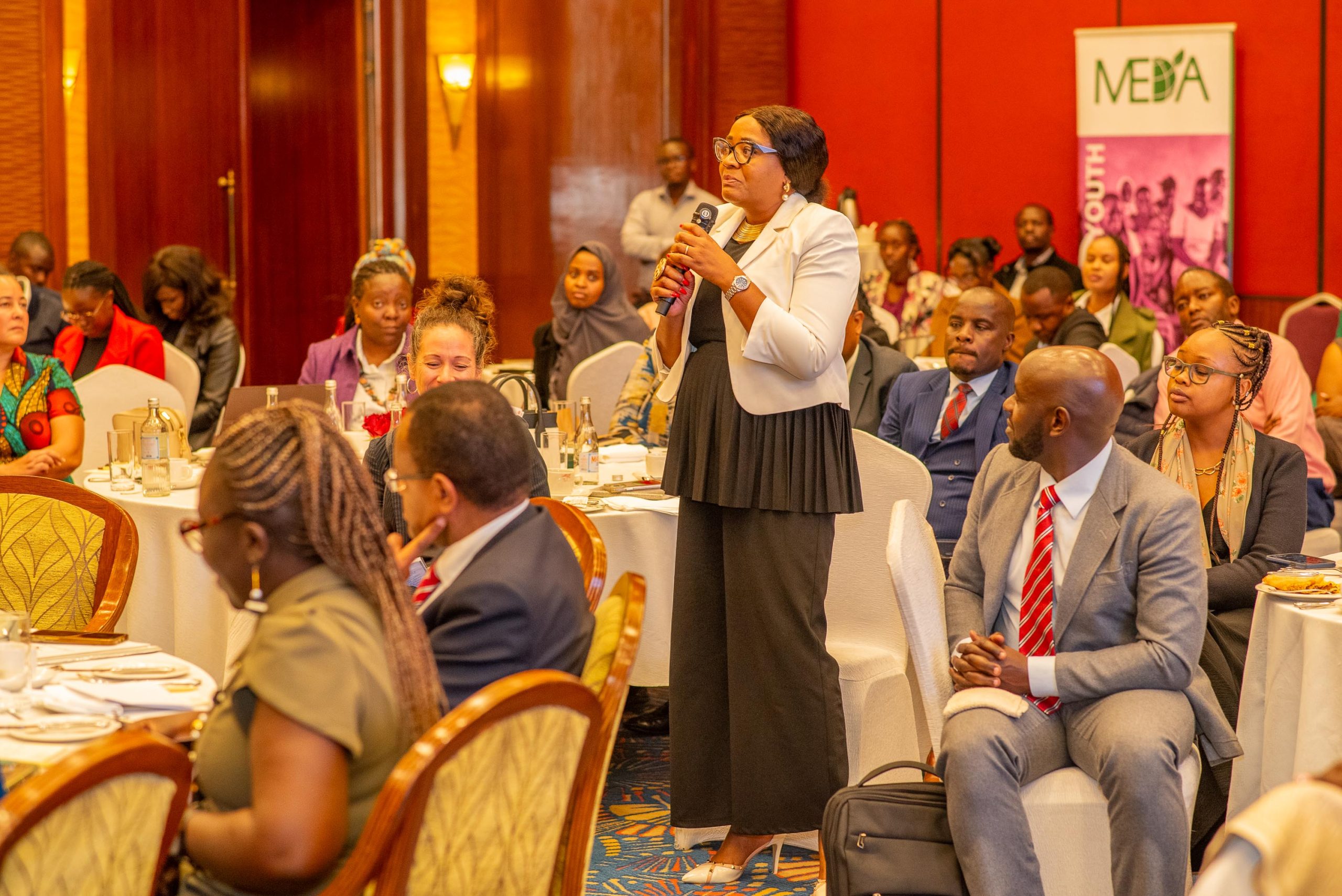
The conversation placed women’s economic power at the centre, calling for capital systems that recognise women as enterprise builders, investors and institutional leaders.
