
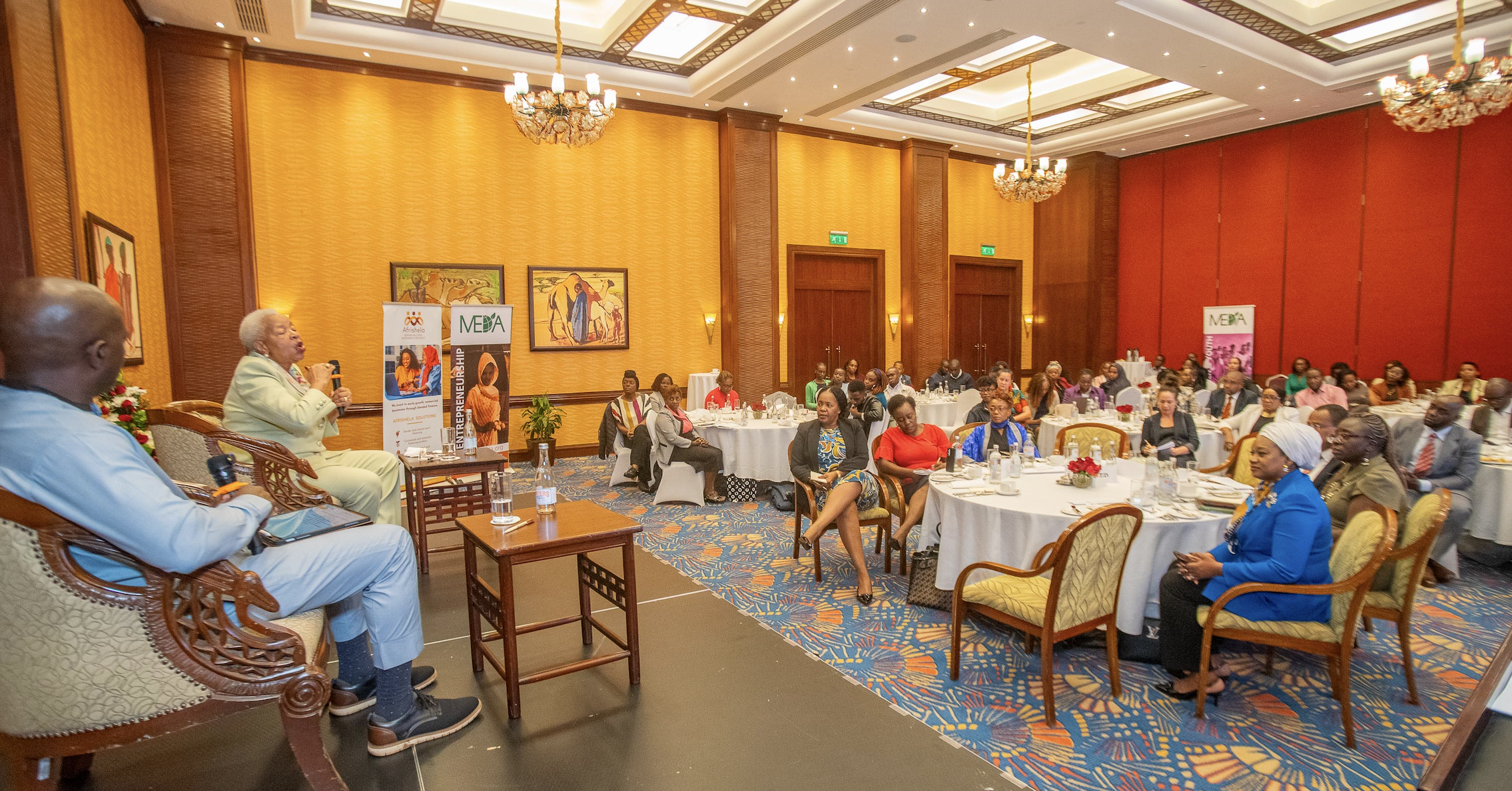
Afrishela Fund convened a focused Nairobi conversation on how blended finance can better structure African capital for enterprise growth.
On a May morning in Nairobi, a breakfast gathering set out to discuss blended finance and ended up naming something far larger: the African capital question is not, in fact, a question of capital at all.
Afrishela Fund convened the session, promoted by the Graça Machel Trust, in partnership with the Africa Venture Philanthropy Alliance, Mennonite Economic Development Associates and Mastercard Africa Growth Fund. The guest list was deliberately narrow – investors, pension trustees, fund managers, regulators and philanthropists – but the conversation that followed was anything but small. By the time the room rose, a consensus had formed that would go on to anchor the day’s declaration: Africa holds the capital it needs. What it lacks is the structure to move that capital to where it is needed most.
The figures presented at the breakfast make the case starkly. Only two of Africa’s 54 countries hold investment-grade credit ratings, and the continent borrows at an average of 11.6 per cent against a US benchmark of 3.1 per cent – a premium that costs African economies an estimated $75 billion a year, paid out of the same fiscal envelopes that would otherwise fund schools, clinics and enterprise infrastructure. Meanwhile, domestic pension funds, insurance pools and sovereign reserves sit largely in government bonds and real estate, still waiting for the instruments, permissions and exit routes that would let them move towards enterprise growth.
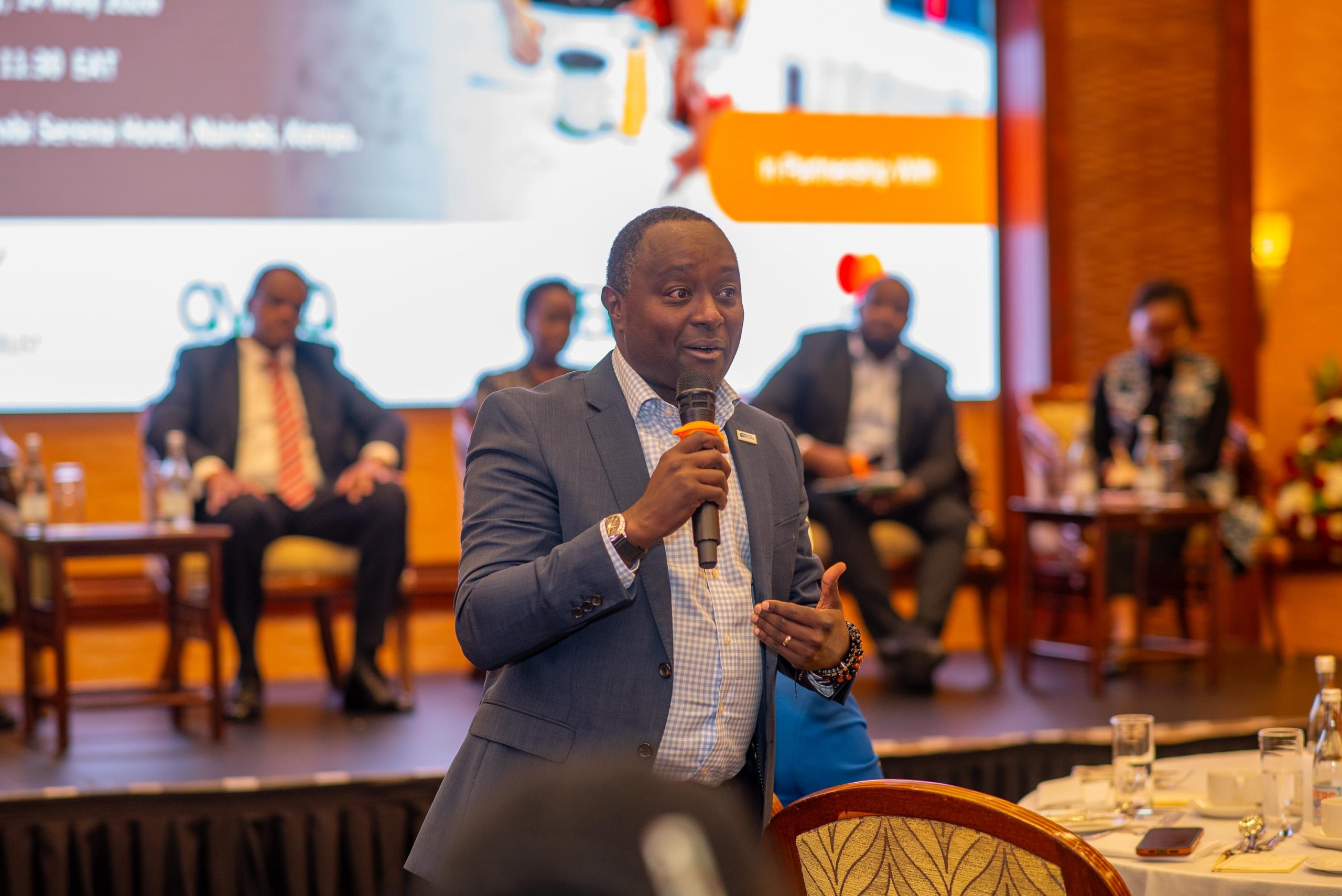
Dominic Kiarie, a corporate leader and leading fund manager representing the Fund Managers Association, offered Equity Bank as an illustration. Its earliest capital was African, catalytic and patient – first from AfriCap, then Britam, then Helios on growth terms. But it took two decades. His point was not that this achievement should not be celebrated; it was that the next twenty years cannot be allowed to look like the last twenty. Pension trustees, he argued, are not the obstacle. They are under-permissioned, waiting for investment committees and regulators to catch up with what is already possible.
Joyce-Ann Wainaina, Managing Partner of Chui Ventures Fund, translated the diagnosis into a concrete proposal: a modest, ring-fenced domestic fund-of-funds floor, professionally managed and directed towards youth- and women-led enterprise. One per cent of one hundred billion, she noted, is one billion dollars – a floor, not a ceiling.
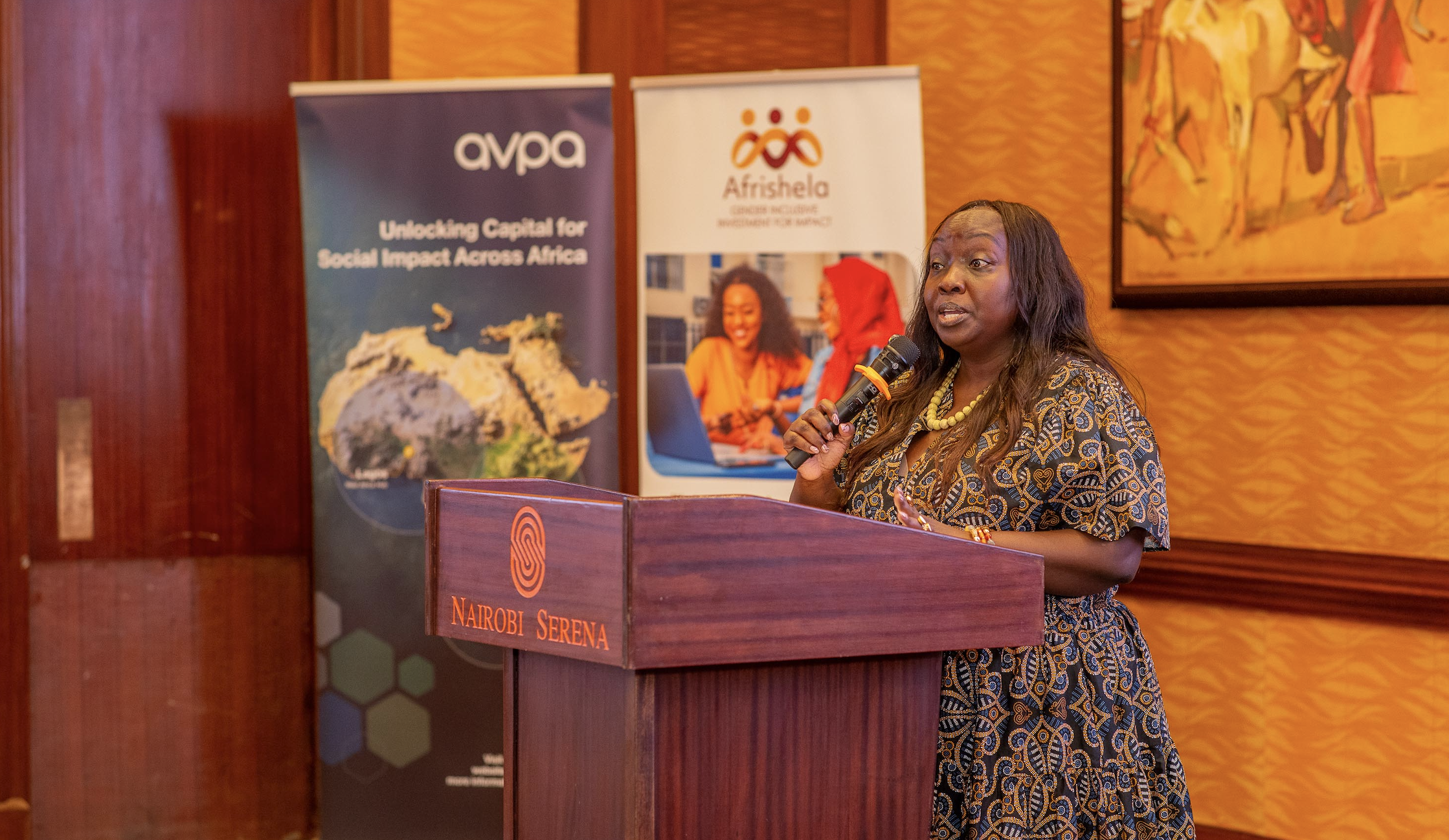
Andia Chakava, Managing Partner of Afrishela Fund, speaks at the Nairobi breakfast on how to use blended finance to move African capital toward women- and youth-led enterprises.
What set the morning apart from the many convenings that precede it was its refusal to end in good intentions. In the closing minutes, the room drafted the Nairobi Declaration on the spot: a Steering Committee was named, a Project Team confirmed, and report cards committed to at six and twelve months. Each participant left with three personal commitments — one institution to influence, one peer to recruit, one action to deliver before the next gathering.
The harder the problem, the greater the need for blended finance. We are not here for quick wins. We are here to build lasting solutions.
Andia Chakava, Managing Partner, Afrishela Fund
That, in the end, is the quiet argument beneath the whole event. Blended finance is not a concession to circumstance. It is how a continent with the capital, the expertise and the entrepreneurs already in the room stops waiting for permission and starts building the architecture to match its own ambition.
